
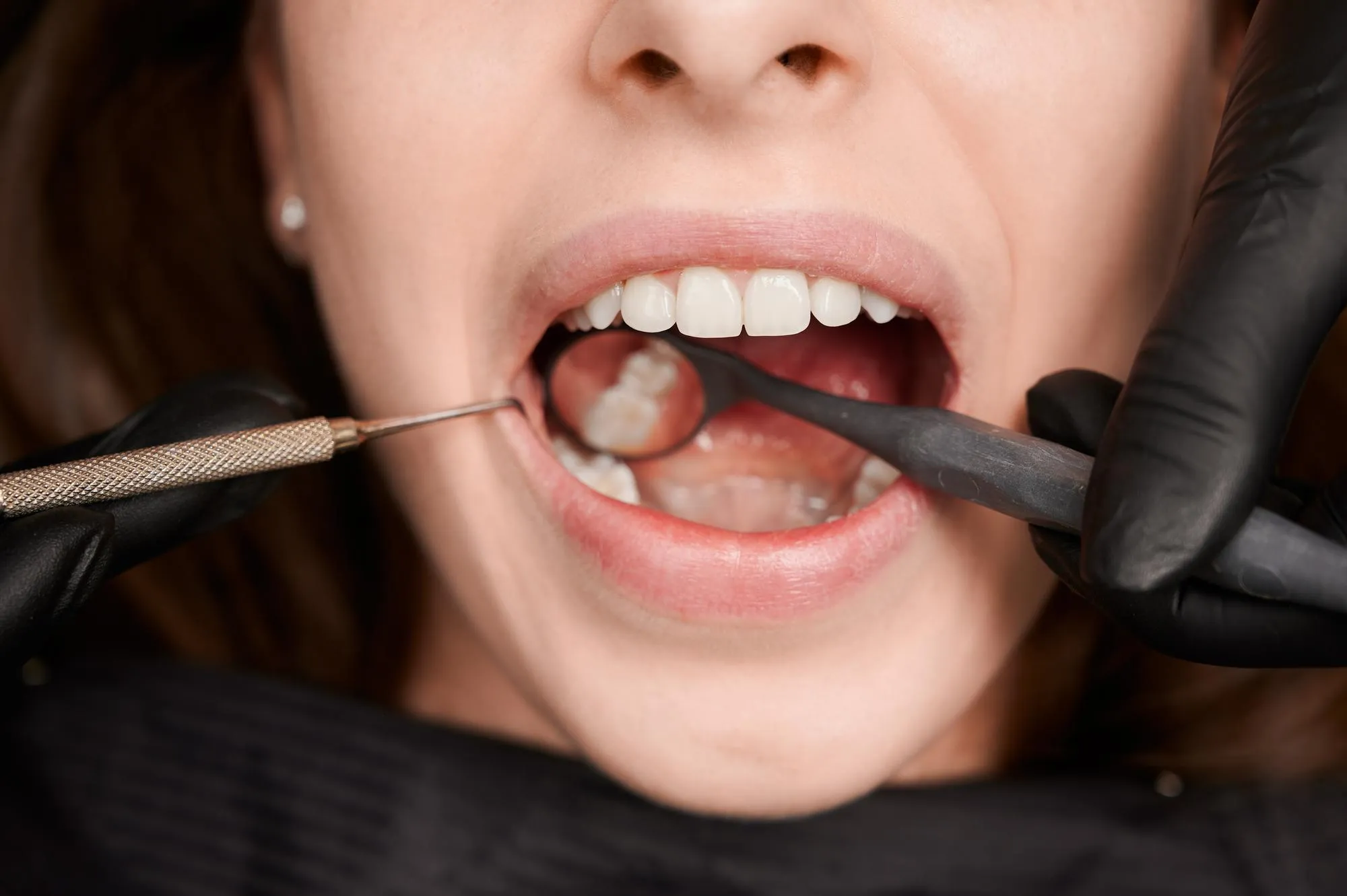
What is an impacted wisdom tooth, and what problems can it cause? When there’s no space to grow, wisdom teeth can become impacted. Since they are the last teeth to erupt, they often lack sufficient room to develop properly. As a result, you can develop tooth disease. The teeth can get stuck under the gum. Most people in York choose wisdom tooth removal in York as soon as these problems begin to affect their daily lives.
This guide explains how impacted wisdom teeth feel, what risks they bring, and which treatment options help protect your oral health.
What Are Impacted Wisdom Teeth?
Wisdom teeth usually come through between 17 and 25 years of age. They are called impacted because they can’t fully break through. This often occurs when the jaw is too small or neighbouring teeth obstruct the path.
Common types of impaction include:
- Teeth trapped entirely under the gums.
- Teeth are partly visible but stuck.
- Teeth are growing sideways toward other teeth.
- Teeth pushing against the jawbone.
These problems can gradually worsen if left untreated.
Symptoms of Impacted Wisdom Teeth
Many people do not notice symptoms right away. Others feel discomfort that slowly becomes harder to ignore. Early signs should never be overlooked.
Common symptoms include:
- Pain or pressure in the back of the mouth
- Swollen or red gums
- Bad breath that does not go away
- Jaw stiffness or soreness
- Trouble opening the mouth fully
If these symptoms keep returning, consider wisdom tooth removal in York to prevent further damage.
Why Impacted Wisdom Teeth Can Be Risky
Impacted wisdom teeth can be very painful. If left untreated, they can damage adjacent teeth and gums and lead to more serious dental problems.
Common risks include:
- Gum infections caused by trapped food
- Tooth decay in nearby molars
- Damage to the surrounding bone
- Cysts forming around the tooth
- Crowding that shifts other teeth
Because these issues can spread silently, regular dental examinations in York are essential for early detection.
How Impacted Wisdom Teeth Are Diagnosed
Dentists usually spot impacted wisdom teeth during routine dental visits. X-rays help show the tooth’s position under the gums and whether it needs to be removed.
During an exam, your dentist in York checks:
- Tooth angle and depth
- Pressure on nearby teeth
- Signs of infection or swelling
- Jawbone health
Early diagnosis helps prevent pain and the need for more complex procedures later.
Treatment Options for Impacted Wisdom Teeth
Treatment depends on the tooth’s position and symptoms. Some wisdom teeth can be monitored, while others should be removed.
- Monitoring Without Removal: If the tooth causes no pain or infection, your dentist may watch it closely with regular checkups.
- Wisdom Tooth Removal: When pain, swelling, or infection appears, removal is often the safest option. Many patients elect to have wisdom tooth extractions near you to avoid future complications and protect adjacent teeth.
What Happens During Wisdom Tooth Removal?
The removal of the wisdom tooth is a routine procedure. Modern care guarantees a smooth and safe journey at every instance.
The process usually includes:
- Making the area numb so you don’t feel pain
- Leaving the impacted tooth as it is, if removal isn’t needed
- Cleaning the area to help prevent infection
- Giving clear instructions to help you heal faster
Clinics today offer safe and painless wisdom tooth removal procedures, making the experience easier than many expect.
Recovery After Wisdom Tooth Removal
When guidelines are adhered to, recovery is smooth. It’s common to experience slight swelling and pain for days.
This Will Help You to Recover
- Take a break and stay smart about what you eat.
- Cold packs can help reduce swelling.
- As directed, clean the area.
- Do not smoke while healing.
Most people resume their normal activities in 10 days.
When Should You Seek Treatment?
Do not wait for severe pain. Early action prevents bigger problems. If discomfort keeps returning or worsens, it may be time to visit a dental clinic near you for evaluation and guidance.
Prompt care helps protect your smile and prevents long-term dental damage.
Take the Right Step for Long-Term Oral Health!
Never overlook impacted wisdom teeth, as they can create pain and other issues. The dental care you get from an early age helps protect your teeth, gums, and jaw. If you are experiencing discomfort, the Caledonia Crosstown Dental team can provide gentle care that prioritizes your comfort and long-term oral health. Make an appointment today for a pleasant smile!
😌 Relief from wisdom tooth discomfort is closer than you think. Find your way to Caledonia Crosstown Dental.
FAQs
What are the common symptoms of impacted wisdom teeth?
Impacted wisdom teeth often cause pain or pressure at the back of the mouth. Other common signs include swollen or sore gums, jaw stiffness, bad breath, a bad taste in the mouth, and trouble opening your mouth entirely. In some cases, infection can lead to redness or pus around the tooth.
When should impacted wisdom teeth be removed?
Impacted wisdom teeth should be removed when they cause pain, swelling, repeated infections, or damage to nearby teeth. Dentists may also recommend removal before problems start, especially if the tooth is trapped under the gums or growing at an angle.
How long does it take to recover from a wisdom tooth extraction?
Most people gradually feel better within 3 to 5 days post-extraction. Swelling will lessen, and pain will improve daily, while the gums will take weeks to heal completely. Ways You Can Speed Healing of Your Piercing
What are the risks of removing wisdom teeth?
Wisdom teeth removal is generally safe. You may have some swelling, mild pain, slight bleeding, or a small chance of infection. Serious problems are rare, especially when an experienced dentist does the procedure, and you carefully follow the aftercare instructions.