
When people find out they might need a dental crown, many are concerned about pain. The reality is that today’s dentistry is more convenient and effective than past advancements.
If you are thinking about getting dental crowns in York, then you should know that the procedure itself is largely pain-free and can help protect and restore damaged teeth effectively.
Knowing what to expect can help ease anxiety and help you be involved in the treatment.
Understanding Dental Crowns
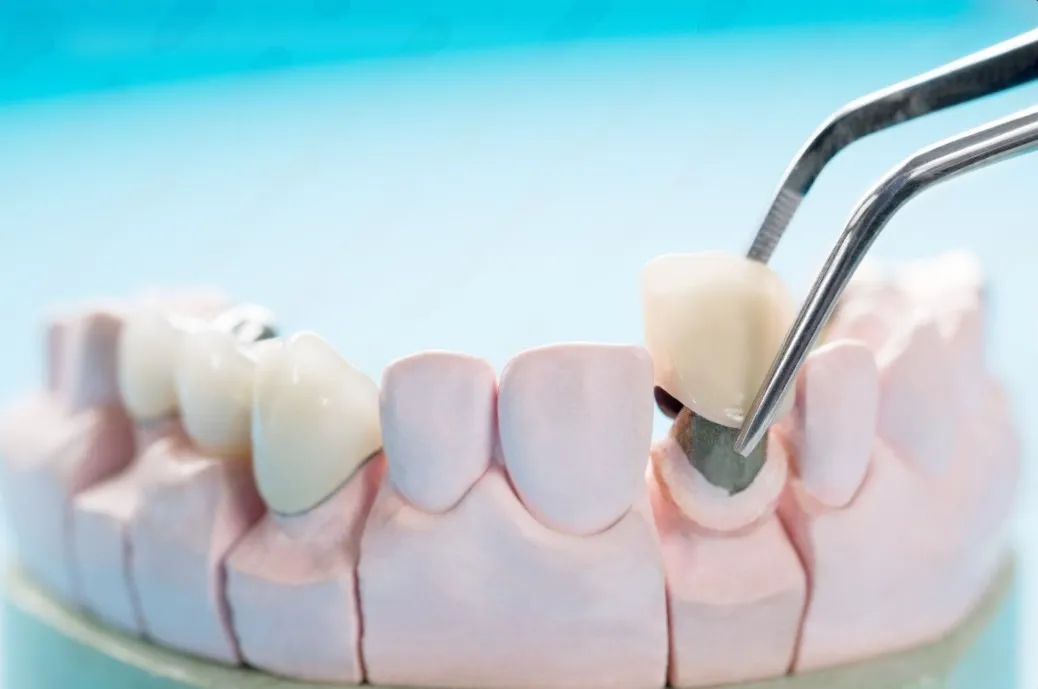
Crowns are tailor-made caps that are placed on to safeguard ill or damaged teeth. They support the tooth, strengthen it, and enhance its appearance. Crowns are fitted for cracked, broken, or severely filled teeth.
Some of the most common reasons you’ll require a crown are:
- Preventing a weak tooth from splitting
- Repairing a cracked or worn-down tooth
- To seal a dental implant
- Supporting a tooth after a root canal
How Dental Crowns Are Placed
When you go for dental crowns near you, it takes two visits, one for preparation and another for placement.
Here’s what happens during each step:
- A dentist inspects the tooth and might take an X-ray
- Local anesthesia is administered so that you won’t feel any pain while numbing the area
- The dentist shapes the tooth to properly fit the crown
- We will place a temporary crown while your permanent crown is being created
- After everything is ready, the final crown is fitted and cemented.
You may sense light pressure as the procedure is done, not pain. It is normal to feel sensitivity afterward, and this disappears after a few days.
The Role of a Dentist
A dentist in York keeps you comfortable throughout the process. They minimize discomfort with the use of local anesthesia and advanced tools. Sedation is also offered by many clinics for anxious patients.
Your dentist will take you through the process. After the crown is placed, the dentist will check your bite. This added personal touch will help you have long-lasting results and a comfortable recovery.
Why Visit a Dental Clinic
For a smoother and hassle-free experience, choose a reliable dental clinic near you.
As it can help you:
- Get timely appointments,
- Faster follow-ups, and
- Zero hassle if you need a change
If you visit your dental clinic regularly, any problem that arises may be easily fixed without complicated treatment.
Long-Lasting Dental Crowns for Damaged Teeth
Long-lasting dental crowns are made from high-quality materials such as porcelain, ceramic, or metal alloys and can last 10–15 years or more with proper care.
The following are easy-to-follow tips for keeping them in good condition:
- Don’t bite hard food items like ice or hard candy
- Brush and floss regularly to have healthy gums
- Visit your dentist for check-ups twice a year
If you go through the right procedures and strategies, your crown can feel and appear like a tooth for many years to come.
Same-Day Dental Crowns Procedure
Modern clinics have a procedure to get crowns within one day with the help of CAD/CAM. Your dentist can plan, design, and fit your crown in a single visit with the help of advanced technology.
Advantages of same-day crowns are:
- There is no need for multiple visits
- No temporary crown needed
- Restoration of function and appearance immediately
Same-day dental crowns are suitable for patients with busy schedules who need long-term and attractive results.
Wrapping Up!
Dental crowns are a safe solution to restore damaged teeth and can help you regain confidence and smooth function.
At Caledonia Crosstown Dental Centre, our team has got you covered. We use advanced technology to offer care that is comfortable and pain-free.
Schedule an appointment today to find out how a dental crown can help restore your confidence and keep your smile healthy.
Looking for a trusted dentist near you? Get directions to Caledonia Crosstown Dental.
FAQs
How long does it take to get a dental crown?
It takes two visits. The first visit shapes the tooth and takes a mold. The second visit places the crown. Some clinics offer same-day crowns.
Will I feel pain during the dental crown procedure?
No. The dentist numbs your tooth. You may feel slight pressure or mild soreness after.
How do I care for my dental crown after placement?
Brush and floss daily, avoid hard foods, and visit your dentist for checkups.
Can dental crowns be used on all teeth?
Yes. Crowns can cover any damaged, weak, or discolored tooth.